
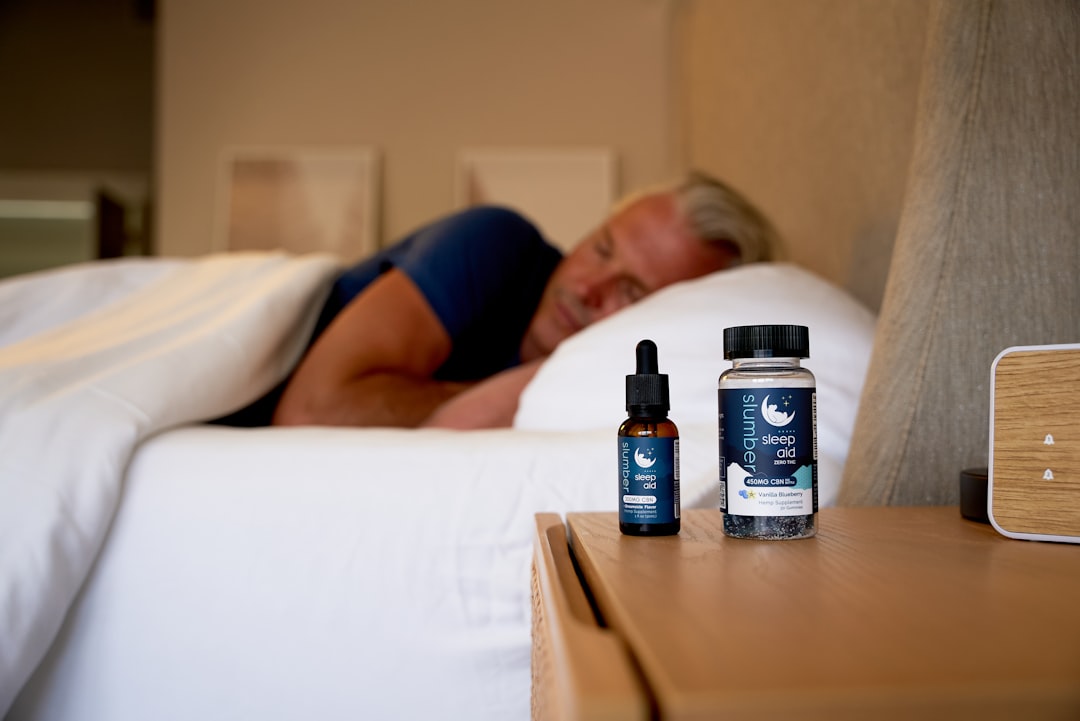
Your ancestors understood something we're only rediscovering through neuroscience: sleep isn't passive recovery—it's active restoration. Ancient yogic texts describe the four stages of consciousness, mapping almost perfectly onto what we now call sleep architecture. The Mandukya Upanishad's description of 'sushupti' (deep sleep) aligns remarkably with what researchers identify as slow-wave sleep—the phase when your brain clears metabolic waste and consolidates memory.
The ancients practiced sleep like a discipline. Modern biohacking treats it like an optimization problem. Both arrive at the same conclusion: quality sleep is the master regulator of human performance.
Your Circadian System Isn't Negotiable
Matthew Walker's research at UC Berkeley confirms what Ayurveda taught millennia ago: your body operates on natural rhythms that cannot be hacked away. Your suprachiasmatic nucleus—your internal master clock—responds to light exposure with the precision of a Swiss timepiece. Disrupt it, and you disrupt everything downstream: hormone production, cellular repair, immune function, cognitive performance.
Here in Northern Europe, our challenge is acute. Tallinn receives roughly 6 hours of daylight in December. Your circadian system, evolved over millions of years, doesn't care about your work schedule or social commitments. It responds to light—or the lack thereof.
The protocol is non-negotiable: morning sunlight within 30 minutes of waking, 10-30 minutes depending on season. No sunglasses. In winter months, a 10,000 lux light therapy lamp supplements—but never replaces—natural exposure. Evening protocols are equally critical: dim, warm lights after sunset, blue-light blocking glasses 2 hours before bed.
Temperature: Your Most Powerful Sleep Tool
Ancient practices understood the relationship between body temperature and consciousness. Yogic texts describe the cooling practices (sheetali pranayama) performed before rest. Modern sleep science reveals why: your core body temperature must drop 1-3 degrees Celsius to initiate sleep onset.
Your bedroom should be 18-19°C. This isn't comfort—it's physiology. Dr. Matthew Walker's sleep lab data shows that even small temperature increases fragment sleep architecture, reducing time in crucial slow-wave and REM phases.
The deeper protocol: take a warm bath or shower 60-90 minutes before bed. As your body cools afterward, it triggers natural melatonin production. In summer months, cold water immersion 2-3 hours before bed can accelerate this cooling process whilst building resilience.
Beyond Sleep Hygiene: The Recovery Protocol
Sleep hygiene lists tell you what not to do. Recovery protocols tell you what to actively practice. The difference determines whether you merely avoid poor sleep or actively generate exceptional recovery.
Your wind-down begins 90 minutes before bed—not when you feel tired. Phone out of the bedroom (non-negotiable). Total darkness: blackout curtains, electrical tape over LED lights, eye mask if necessary. Your pineal gland's melatonin production is exquisitely sensitive to even small amounts of light.
Magnesium glycinate, 200-400mg taken at the same time each evening, supports the GABA system without the tolerance issues of synthetic sleep aids. This isn't a supplement—it's addressing widespread magnesium deficiency in European soils.
The breath-work component: 4-7-8 breathing or box breathing for 5-10 minutes. Ancient pranayama practices activate your parasympathetic nervous system—what researchers now call the 'rest and digest' response. Dr. Andrew Huberman's Stanford lab shows this measurably reduces sleep latency and improves sleep quality.
Tracking Reality, Not Vanity Metrics
HRV monitoring provides objective feedback on recovery quality. Your 7-day rolling average reveals trends that subjective sleep ratings miss. Green/yellow/red zones should guide training intensity decisions—not override them with stimulants or synthetic aids.
But remember: the best sleep technology is free. Fixed wake times (including weekends), consistent wind-down routines, and respecting your circadian biology outperform any wearable device or supplement stack.
Recovery isn't passive waiting. It's active practice. Your sleep quality reflects every choice made in the preceding 16 hours: light exposure, movement patterns, feeding windows, stress management, temperature regulation.
The ancients understood sleep as a pathway to higher consciousness. Modern science reveals it as the foundation of human performance. Both perspectives demand the same discipline: consistent practice over convenient shortcuts.
Ready to transform your recovery? Our comprehensive Sleep Optimisation Protocol provides specific, evidence-based implementations of these principles—personalised for Northern European conditions and built on the synthesis of ancient wisdom and modern science.