
If you train seriously - whether you are a runner, lifter, cyclist, or general fitness enthusiast - you need an HRV training guide in your toolkit. Heart Rate Variability is the single best biomarker for readiness, recovery, and long-term health. And in 2026, measuring it is easier and more affordable than ever.
What Is HRV?
Heart Rate Variability measures the variation in time between consecutive heartbeats. If your heart beats at 60 BPM, it does not beat exactly once per second. The intervals vary - 0.95s, 1.05s, 0.98s, 1.02s. Counter-intuitively, more variation is better. High HRV indicates a resilient, adaptable autonomic nervous system with strong parasympathetic (rest-and-recover) tone.
Low HRV suggests your body is under stress - from training, poor sleep, illness, psychological load, or a combination. An HRV training guide helps you use this data to make smarter decisions about when to push hard and when to back off.
Why HRV Matters for Training
Traditional training plans are rigid: Monday is legs, Wednesday is intervals, Friday is long run. But your body's readiness fluctuates daily based on dozens of variables - sleep quality, nutrition, work stress, travel, illness. A fixed plan ignores all of this.
HRV-guided training adapts to your actual recovery status. Research published in the International Journal of Sports Physiology and Performance shows that athletes who adjusted training intensity based on HRV improved performance by 15-20% more than those following fixed plans over the same period.
How to Measure HRV
For a reliable HRV training guide, measurement consistency matters more than device accuracy. Here are the three main approaches:
Chest Strap (Gold Standard)
The Polar H10 paired with an app like Elite HRV or HRV4Training gives the most accurate readings. Best for dedicated morning measurements. Cost: around 80 EUR.
Wrist Wearable (Most Convenient)
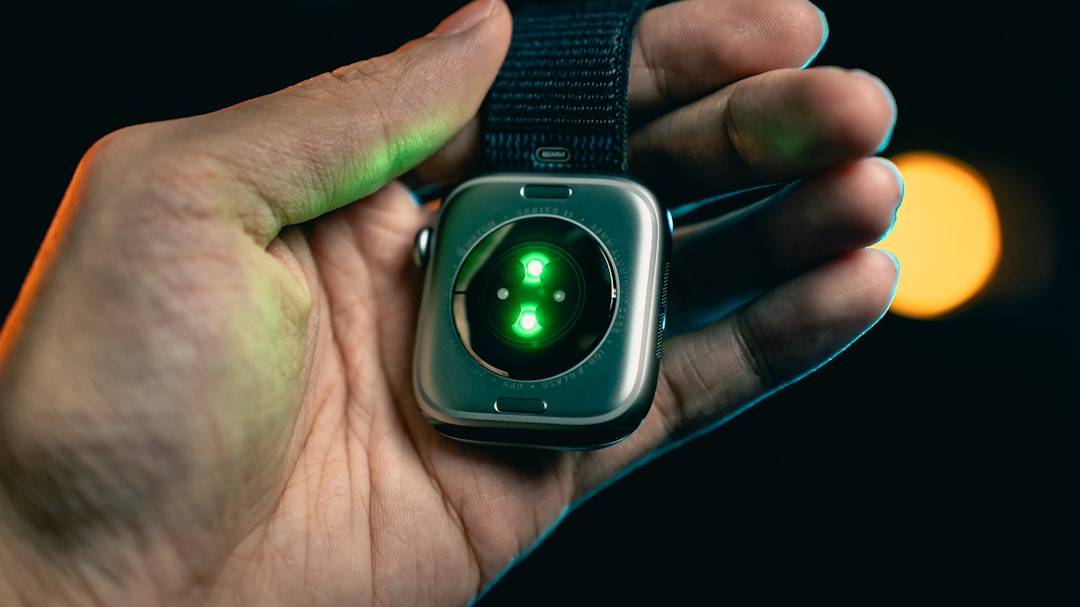
Devices like Whoop 4.0, Oura Ring Gen 3, and Apple Watch Ultra track HRV automatically overnight. Less accurate for single readings but excellent for trend tracking. The convenience factor means you actually use it consistently.
Smartphone Camera (Free)
Apps like HRV4Training can measure HRV using your phone's camera and flash on your fingertip. Surprisingly accurate for a free solution. Good for getting started before investing in hardware.
Interpreting Your HRV Data
This is where most HRV training guides fall short. The absolute number matters less than you think. What matters is your trend relative to your personal baseline.
- Track the 7-day rolling average, not single readings. Individual days fluctuate wildly based on measurement conditions.
- Morning readings are most reliable. Measure at the same time each day, immediately upon waking, before caffeine or exercise.
- Context matters. A low HRV after a hard training day is expected and healthy. A low HRV after a rest day is a warning sign.
- Downward trends over 5-7 days suggest accumulated fatigue, illness onset, or chronic stress. This is when the data is most valuable.
The Green / Yellow / Red System
Here is a simple framework for using HRV to guide your training decisions:
- GREEN (HRV at or above 7-day average): Full send. Train as planned - high intensity, heavy loads, intervals. Your body is recovered and ready.
- YELLOW (HRV 5-10% below average): Moderate. Train but reduce intensity by 20%. Swap intervals for steady-state. Drop the heaviest sets.
- RED (HRV more than 10% below average): Active recovery only. Walk, stretch, yoga, or full rest. Pushing through will dig a deeper hole.
This system prevents the two biggest training mistakes: under-recovering (which leads to overtraining and injury) and over-resting (which leaves performance gains on the table).
How to Improve Your HRV Over Time
A rising HRV trend over weeks and months indicates improving fitness and resilience. The most effective interventions:
- Sleep optimisation - The single biggest driver. Even one extra hour of quality sleep can raise HRV by 10-15%. See our Sleep Optimisation Protocol for the complete system.
- Zone 2 cardio - 150+ minutes per week at conversational pace builds parasympathetic tone and mitochondrial density.
- Breathwork - 5 minutes of slow breathing (5.5 breaths per minute) daily directly stimulates the vagus nerve.
- Cold exposure - Regular cold showers or immersion train your autonomic nervous system to recover faster from stress.
- Reduce alcohol - Even moderate drinking suppresses HRV for 24-48 hours. The data does not lie.
Get the Complete Framework
This article covers the essentials of using HRV for training decisions. For the full system - including detailed measurement protocols, weekly review templates, and how HRV fits into the broader biohacking framework alongside sleep, nutrition, cold exposure, and fasting - download The Biohacker's Starter Guide.
If you want a structured 30-day programme that incorporates HRV-guided training alongside nutrition resets, cold exposure progression, and sleep optimisation, our 30-Day Performance Reset is the most comprehensive option.
Start tracking your HRV today. Your future PRs depend on the recovery decisions you make now.