
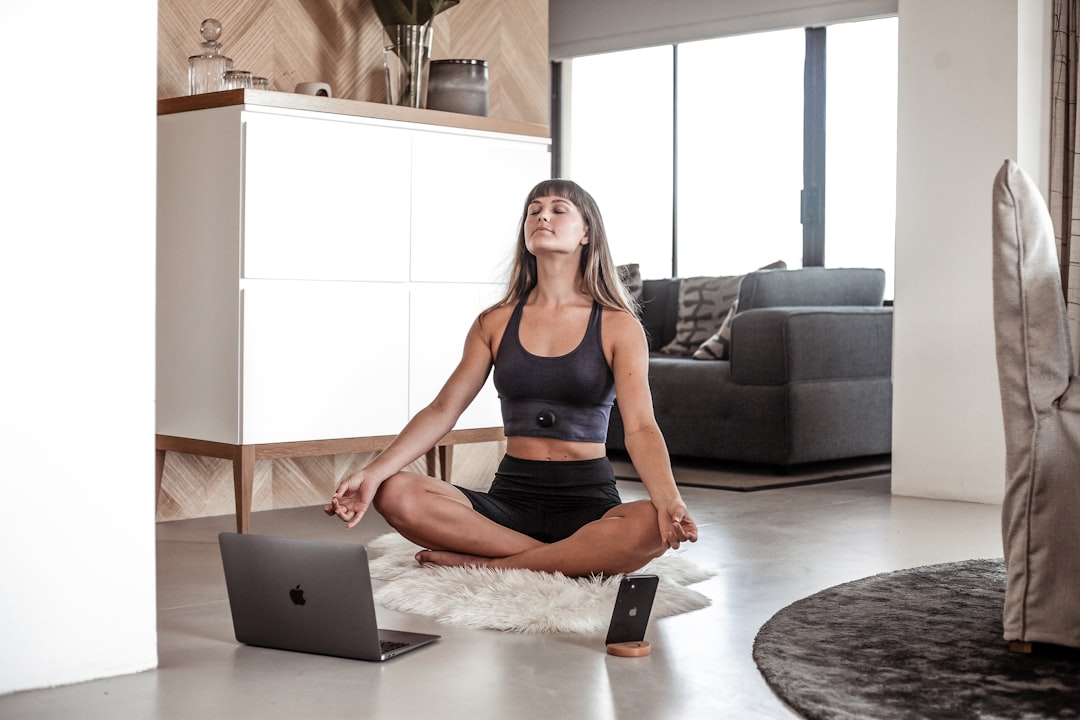
Your breath is the only function that operates automatically yet responds instantly to conscious control. This isn't new-age philosophy—it's the fundamental tool that yogis have used for millennia to influence their nervous system, and what modern researchers now measure through heart rate variability (HRV) and vagal tone studies.
The ancient yogis called it pranayama—conscious control of life force. Modern science calls it respiratory-based vagal stimulation. Same mechanism, different language. Both understood that conscious breathing is the fastest way to shift from sympathetic (fight-or-flight) to parasympathetic (rest-and-digest) dominance.
The Science: How Breathwork Controls Your Nervous System
When you extend your exhale beyond your inhale, you activate the vagus nerve—the main pathway of your parasympathetic nervous system. Research published in the International Journal of Yoga shows that controlled breathing increases HRV, reduces cortisol, and improves stress resilience within minutes, not weeks.
Dr. Andrew Huberman's research at Stanford demonstrates that the physiological sigh—two inhales through the nose followed by a long exhale—is the fastest real-time stress reduction tool available. This isn't theory. It's measurable physiology.
In Northern Europe, where winter months compress our natural rhythms and seasonal affective patterns stress our nervous systems, breathwork becomes essential infrastructure, not optional wellness.
The 4-7-8 Protocol: Your Daily Nervous System Reset
This is your non-negotiable daily practice. Perform this protocol twice daily: morning after sunlight exposure, and 60 minutes before bed.
The technique:
• Sit upright, feet on ground
• Inhale through nose for 4 counts
• Hold breath for 7 counts
• Exhale completely through mouth for 8 counts
• Repeat for 4 complete cycles
Start with 4 cycles twice daily. After two weeks, progress to 6-8 cycles. The discomfort during the hold phase is intentional—you're training stress tolerance whilst simultaneously activating recovery mechanisms.
Track your resting heart rate before and after sessions. You'll see measurable drops of 5-10 beats per minute, proving the immediate nervous system shift.
Box Breathing: Performance Under Pressure
Navy SEALs use this. So did ancient warriors before battle. Box breathing maintains calm focus under stress by balancing your inhale-to-exhale ratio.
The protocol:
• 4 counts inhale through nose
• 4 counts hold
• 4 counts exhale through nose
• 4 counts hold empty
• Continue for 5-10 minutes
Use this before challenging situations: important meetings, difficult conversations, or when your HRV shows elevated stress. Practice it daily during calm moments so it's available when stress hits.
Advanced practitioners progress to 6:6:6:6, then 8:8:8:8. Never force it. Consistent practice at comfortable ratios builds more resilience than occasional heroic efforts.
The Wim Hof Method: Cold Adaptation Through Breath
Before cold exposure—your morning cold shower or Baltic Sea immersion—use controlled hyperventilation to improve your stress response and extend your cold tolerance.
The technique:
• 30 deep breaths: full inhale, relaxed exhale
• After the 30th exhale, hold your breath empty
• Hold until you feel the urge to breathe
• Take one deep breath and hold for 15 seconds
• Repeat for 3 rounds
Perform this immediately before cold exposure. The temporary alkalisation of your blood improves cold tolerance whilst the breath holds train your chemoreceptors to handle CO2 buildup—the actual trigger of panic during stress.
Never practice this in water or whilst driving. The breath holds can cause temporary loss of consciousness in some individuals.
Integration: Making Breathwork Non-Negotiable
Breathwork isn't meditation. It's nervous system training. Schedule it like you schedule training sessions:
Morning protocol: 4-7-8 breathing after sunlight exposure, before checking your phone
Pre-cold exposure: Wim Hof breathing before your cold shower
Stress management: Box breathing when HRV shows elevated stress
Evening protocol: 4-7-8 breathing 60-90 minutes before bed
Track your HRV response. Quality devices show immediate changes in your autonomic nervous system within minutes of starting breathwork protocols. This real-time feedback transforms breathwork from spiritual practice into measurable performance tool.
The ancient yogis understood what modern science now proves: conscious breathing is the bridge between voluntary and involuntary, between stress and recovery, between surviving and thriving. Your breath is always available. The question is whether you'll use it consciously.
Ready to master these protocols with structured guidance? Our Breathwork & Stress Mastery programme provides progressive training protocols, HRV integration strategies, and the systematic approach to make breathwork your most reliable performance tool.